Leave Your Message
Design Drawing File Upload X

What Is the Best Type of Seamless Socks for Global Buyers?

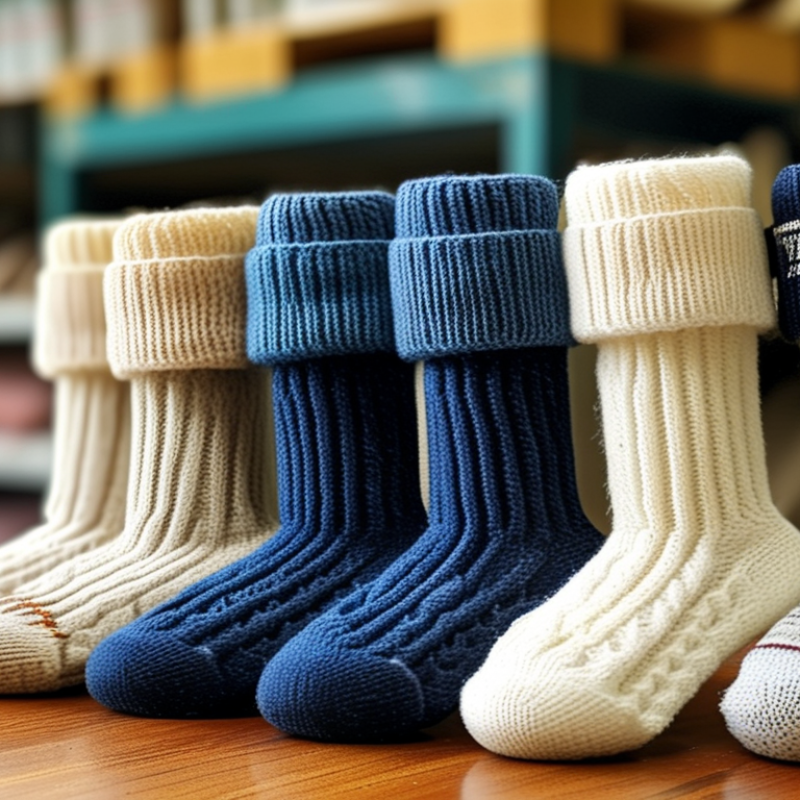
Choosing the best Seamless Socks is not simply a matter of selecting the softest yarn. Global buyers must match construction, climate, activity, and target price. A thin bamboo blend may feel cool in a humid warehouse. A dense merino design may perform better during winter travel. However, it can raise production costs and require careful washing guidance.

Textile consultant Dr. Prabir Jana explains, “The best seamless product is the one the wearer forgets.” This idea matters when buyers inspect toe closures, cuff pressure, stretch recovery, and moisture control. A well-made sock should not leave a harsh line across the ankle. Its toe area should feel smooth inside a work shoe. Its fabric should recover after repeated washing. Small details create large differences.

Still, no single construction wins every market. Some buyers overvalue fiber names and undercheck knitting density. Others focus on a low quotation before testing abrasion resistance. That approach can create returns, complaints, and inconsistent repeat orders. A better evaluation uses physical samples, wash trials, size measurements, and packaging checks. It also compares factory communication, quality records, and production flexibility. This article explores which Seamless Socks suit different global purchasing needs, from everyday retail programs to sports, travel, healthcare, and workwear applications. The answer may be less perfect than expected. A sock can be comfortable, durable, and affordable, but rarely at the highest level in every category. Careful buyers should identify their strongest priority before approving bulk production.
What Is the Best Type of Seamless Socks for Global Buyers?

What Are Seamless Socks and How Do They Differ From Standard Socks?

Seamless socks are knitted in a continuous tube, rather than assembled from several fabric pieces. Their toe area usually uses a linked or reduced-bulk closure. Standard socks often contain a more noticeable toe seam, which may press against sensitive toes inside narrow shoes. Seamless does not mean completely seam-free. The cuff, heel, and toe still need construction details. That distinction matters.

For global buyers, the practical difference appears during wear. A well-made seamless sock can reduce rubbing across the toe line and create a smoother fit under dress shoes, safety footwear, or running shoes. The knitting machine also controls stretch, ventilation zones, and compression more precisely. However, poor tension can cause loose fabric, heel movement, or early thinning. The label can mislead.

Material selection remains important. Textile Exchange’s Materials Market Report 2024 states that polyester represented about 59% of global fiber production in 2023. This helps explain why many seamless designs use synthetic blends for recovery and moisture movement. Cotton can improve softness, but it may hold more moisture after heavy activity. Global buyers should request fiber percentages, stitch density, toe-closure method, wash-test results, and size grading. A 2023 Grand View Research analysis placed the worldwide socks market in the multi-billion-dollar range and forecast continued growth through 2030, but market reports usually combine many sock categories. They do not prove that every seamless style performs better. Hands-on wear trials still matter.
Which Materials and Construction Features Matter Most to Global Buyers?

For global buyers, material choice should follow climate, use, and washing conditions. Cotton offers a familiar hand feel and good breathability. Recycled polyester dries faster and supports consistent color performance. Polyamide improves abrasion resistance, especially around the heel and toe. A small elastane percentage helps the cuff recover without excessive pressure.

Textile Exchange’s Materials Market Report 2024 states that global fiber production reached 124 million tonnes in 2023. Polyester represented about 57% of that volume, showing its major supply-chain influence.

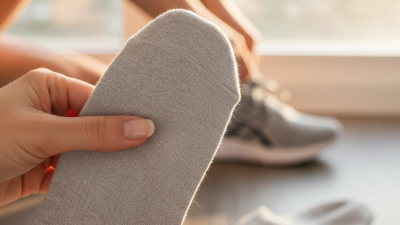
Construction matters just as much. A truly seamless toe reduces bulky ridges inside the shoe. Circular knitting can create smoother transitions between the ankle, arch, and footbed. Ventilation zones around the instep help heat escape during long walking hours.

Terry loops under the heel and forefoot add cushioning, but excessive thickness may reduce shoe space.

Buyers should request abrasion, colorfastness, stretch-recovery, and wash-test results. Labels alone are not enough.

Durability deserves more attention. WRAP’s Valuing Our Clothes report estimated that extending garment life by nine months could reduce carbon, water, and waste footprints by 20–30%.

Socks face heavier friction than many garments, so weak toe linking can erase material benefits quickly. I would not treat recycled content as a complete sustainability answer.

A recycled yarn that pills after several washes is still a poor purchase.

Sampling should include repeated washing, damp wear, and a full day inside the target shoe. No fiber wins every climate.

How Do Different Seamless Sock Types Compare in Comfort and Performance?

What Is the Best Type of Seamless Socks for Global Buyers?

Comfort and performance depend on construction, yarn, and intended use. Toe-seamless socks remove the raised ridge around the toes. They usually feel smoother inside casual shoes and reduce rubbing during long walks. Three-dimensional knitted socks offer gentle stretch and close contact. They suit buyers seeking a soft, flexible fit. Bonded seamless socks can create a cleaner surface, but their durability depends heavily on adhesive quality and washing conditions.

Performance needs a wider test. Athletic seamless socks often use breathable zones, arch support, and moisture-managing fibers. They can reduce slipping during repeated movement. However, tight compression may feel uncomfortable for wider feet. Cushioning improves impact comfort, yet thick padding can make shoes feel smaller. In practical product checks, wash the samples repeatedly and inspect toe shape, elastic recovery, and surface pilling. I once focused too much on first-touch softness. That was a mistake. After several washes, fit mattered more.

Tips: Compare socks after real wear, not only from packaging. Request fiber content, size charts, colorfastness results, and wash-test data. Test light, medium, and cushioned versions with the target footwear. Consider climate too. A breathable knit may suit humid markets, while warmer regions may prefer a lighter structure. No single type wins everywhere. Even careful evaluations can miss individual preferences.

Which Seamless Sock Type Fits Different Markets and End Uses?

What Is the Best Type of Seamless Socks for Global Buyers?

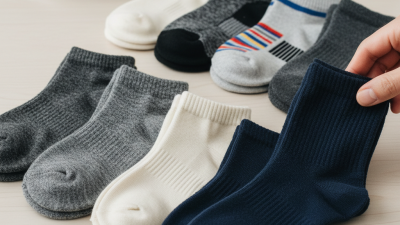
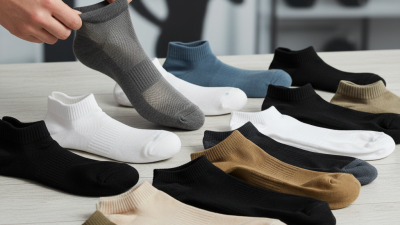
Seamless sock selection depends on the market, climate, footwear, and end use. No-show socks suit low-cut sneakers and fashion markets where hidden coverage matters. Liner socks work well for travel, office wear, and lightweight shoes. Quarter socks offer ankle protection for casual footwear. Crew-length styles fit outdoor, school, and cooler-weather markets. For sports buyers, seamless toes can reduce pressure during repeated movement. However, moisture control, stretch recovery, and cushioning often matter more than appearance alone.

Tips: Request samples in several sizes. Test them after washing. Check toe comfort, heel stability, fabric pilling, and drying time. A thin sock may feel excellent indoors but fail during long walks. Product descriptions should state fiber content, size range, thickness, and care instructions clearly. Destination-market labeling requirements also need verification before shipment.

For workwear, buyers may prefer reinforced heels and breathable mesh zones. For children’s products, soft edges and dependable fit deserve closer attention. Cold regions may require thicker terry cushioning, while warm regions often favor fine-gauge, ventilated knits.

Recycled fibers can support sustainability goals, but they may alter softness or stretch. This trade-off should be tested, not assumed. In my experience, buyers sometimes choose the most attractive sample first, then discover sizing inconsistency in bulk production. A controlled pre-production test can expose that problem early. Feedback from real users remains valuable, even when it challenges the original design.

What Quality, Compliance, and Sourcing Factors Should Buyers Evaluate?

The best seamless sock is not simply the softest or cheapest option. Global buyers should examine construction, fiber content, and performance together. A clean knitted structure can reduce pressure points around the toes and instep. It should also keep its shape after repeated washing. Ask for samples in several sizes, not one display pair.

Material claims require careful verification. Buyers should request test reports for fiber composition, colorfastness, shrinkage, odor, and restricted substances. Product labels must match the actual blend. Packaging and care instructions should also follow the destination market’s requirements. A supplier that answers vaguely may create delays at customs or during retail inspections. Compliance is not a decorative document.

Factory capability matters just as much. Review production records, quality checkpoints, worker conditions, and traceability by batch. Check whether the factory can control yarn tension across large orders. Small defects, such as loose threads or uneven toe closures, often appear after washing. Request pre-shipment inspections and keep approved samples for comparison. I have seen buyers focus on unit price, then pay more for rework and late delivery. That mistake is common. It is also avoidable, although no checklist catches everything. Lead time, minimum order quantity, payment terms, and backup production capacity deserve equal attention. A slightly higher price may be reasonable when testing, documentation, and consistent workmanship are included.