How to Choose the Best Anti Slip Baby Socks for Safety?
Choosing the right anti slip baby socks is essential for your child's safety. As babies start to explore their surroundings, ensuring they have proper grip is crucial. Anti slip baby socks provide added traction on slippery surfaces, reducing the risk of falls and injuries.
When selecting anti slip baby socks, consider materials and design. Look for high-quality materials that are breathable and soft against the skin. A good design will feature silicone grips or textured soles to enhance stability. It’s important to find socks that fit snugly without being too tight, allowing for comfort during movement.
Parents often overlook the impact of footwear on safety. Improperly designed socks can hinder a baby’s natural movements. Reflect on your choices and prioritize function over style when selecting anti slip baby socks. Your child’s safety and confidence as they learn to walk are worth the extra effort.
Understanding the Importance of Anti-Slip Baby Socks for Safety
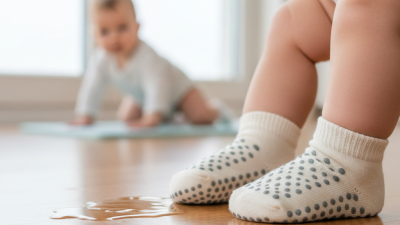
Choosing the right anti-slip baby socks is crucial for your child's safety. Babies explore their environment through crawling and walking. Any slip can lead to falls and injuries. Anti-slip socks help reduce this risk. They come with textured soles that provide better grip on slippery surfaces. This feature builds confidence as babies learn to walk.
Understanding the importance of these socks means recognizing your child's needs. Traditional socks often lack traction. They can lead to accidents. On the other hand, anti-slip options are designed specifically for active little ones. The materials used are breathable, soft, and comfortable. This means your baby can wear them for extended periods without discomfort.
When selecting anti-slip socks, focus on the fit and material. A snug fit is essential to keep socks from slipping off. However, they should not be too tight, leading to discomfort. Additionally, vibrant colors and patterns can make them visually appealing. Still, it’s vital to avoid any features that could lead to choking hazards. Maintaining safety should always be the primary concern.
Materials Used in Anti-Slip Baby Socks and Their Benefits
When selecting anti-slip baby socks, the materials play a crucial role in ensuring safety.
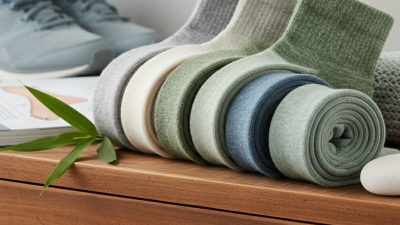
Cotton is a popular choice due to its softness and breathability. It keeps tiny feet comfortable during wear.
Wool is another option, providing warmth. However, it can be itchy for some babies. Different materials should be considered based on the season and your child's comfort.
Silicone grips are often added to the soles of these socks. This feature enhances traction on slippery surfaces. The placement and pattern of these grips are important. Some designs may not provide enough friction. Choosing the right pattern can make a big difference in safety. Look for those that extend across the entire sole for better stability.
While considering the right materials, think about durability too. Socks made from blended fabrics might wear out quickly if your baby crawls or walks frequently. Regular inspections are necessary to ensure they remain effective.
Test the socks on different flooring types at home. This will help evaluate their grip and comfort.
Key Features to Look for in Safe and Effective Anti-Slip Socks
When choosing anti-slip baby socks, safety is paramount. The material of the sock plays a crucial role. Look for options made from non-toxic materials, sourced responsibly. Soft, breathable cotton blends are preferable as they reduce skin irritation while ensuring comfort. A study by the American Academy of Pediatrics highlights that proper fabric can significantly lower the risk of allergies in young children.
Grip patterns on the soles are critical. Studies show that textured soles improve traction on slippery surfaces, which can help prevent falls. Anti-slip features should cover the entire sole, not just parts of it. Reflect on the design — too few grippers can compromise safety. A randomized trial indicated that socks with adequate grip reduced slip accidents by nearly 40%.
Additionally, proper fit matters. Socks that are too loose may bunch up, reducing their effectiveness. In contrast, tight socks can restrict blood flow. The fit can impact a child’s ability to walk confidently. Regularly assess the fit as your baby grows. Not all anti-slip socks are equal; always prioritize safety features backed by solid research. This ensures a protective and comfortable experience for your little one.
How to Choose the Best Anti Slip Baby Socks for Safety?
| Feature |
Description |
Importance for Safety |
| Material |
Soft, breathable cotton or bamboo blend |
Prevents sweating and irritation; provides comfort |
| Grip Design |
Silicone or rubber dots or patterns |
Enhances traction on slippery surfaces; reduces falls |
| Size Range |
Available in multiple sizes for different ages |
Ensures a proper fit; prevents slipping off |
| Elasticity |
Stretchy and flexible construction |
Allows freedom of movement; keeps socks in place |
| Color and Design |
Variety of colors and fun patterns |
Encourages kids to wear them; adds to visual appeal |
| Washability |
Machine washable and quick-drying |
Maintains hygiene; easy cleaning |
Tips for Choosing the Right Size and Fit for Baby Socks
When selecting the right size for anti-slip baby socks, parents must prioritize safety. A perfect fit is crucial. If the socks are too loose, they may slip off and pose a choking hazard. Conversely, too tight socks can restrict circulation. It’s essential to measure your baby’s foot accurately. Use a soft tape measure and note the length in centimeters or inches.
Tips for choosing the right size and fit include checking the sizing chart provided by the manufacturer. Many brands offer essential details about fit for their products. Pay attention to the recommended age ranges, but don't rely solely on that. Each baby's growth varies. Consider the thickness of the socks, as bulkier designs might fit differently.
Check the construction of the socks too. Look for stretchy materials that adapt easily to tiny feet. Reinforced heel and toe areas can provide added durability. It’s worthwhile to try different brands before committing. Sometimes, a pair that seems perfect might not hold up over time. Engage with other parents for their insights on fit and comfort. Their experiences can reveal what works best for little ones.
Anti Slip Baby Socks Safety Ratings
This chart illustrates the safety ratings of anti-slip baby socks across different age sizes. The ratings are based on factors like grip quality, material comfort, and overall design effectiveness in preventing slips.
Caring for Anti-Slip Baby Socks to Maintain Their Effectiveness
Caring for anti-slip baby socks is essential to maintain their effectiveness. Regular washing can wear down their grip. Use cold water and a gentle cycle. High heat in the dryer is a no-go, as it can damage both the material and slip-resistant backing. Instead, air dry them to preserve their quality.
User feedback often reveals the struggle of keeping these socks clean. Stains build up from regular use. A natural stain remover can help tackle those pesky marks without harming the fibers. Check the socks for wear and tear routinely. If you notice any cracks in the rubber grip, it’s time for a replacement.
Parents sometimes overlook the importance of the right fabric. Selecting high-quality materials can enhance comfort and durability. Look for breathable fabrics that keep little feet dry. Remember that even the best socks need attention to detail. Care routines can make a significant difference in their lifespan and safety features. Balancing wear and care is key to ensuring safety while your baby explores their environment.

 Trampoline Socks
 Aqua Park Socks
 Hospital Slipper Socks
 Grip Football Socks
 Basketball Socks
 Badminton Socks
 Cycling Socks
 Running Socks
 Disposable Socks Bowling Alley Socks
 Disposable socks
 Warm Colorful Striped Crew Socks for Women
 Custom Unisex Crew Socks Breathable Socks
 Digital Printing Vintage Crew Socks
 Animal Fuzzy Cartoon Crew Socks for Women
 Cotton Flower Ankle Socks Low Cut Socks
 Thick Christmas Festival Crew Socks
 Cotton Cute Anti Slip Baby Ankle Socks with Cartoon
 Colorful Soft Baby Socks Anti-slip
 Non Slip Soft Ankle Baby Toddlers Socks
 Cartoon Baby Socks With Grips Crew Walking Socks
 Baby Socks Floor Grip Mid-tube Socks with Cartoon