2026 How to Choose the Best Nylon Socks for Your Needs?
Choosing the right nylon socks can be a daunting task. The diversity in styles, thickness, and purposes often overwhelms consumers. Nylon socks are widely recognized for their durability and comfort. Expert in textile materials, Dr. Emily Chen, emphasizes, "Finding the perfect pair of nylon socks can transform your active lifestyle."
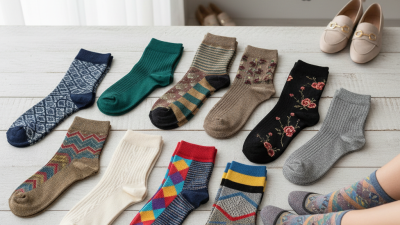
When selecting nylon socks, consider your specific needs. Different activities require different sock designs. For instance, running socks should offer breathability, while dress socks may prioritize aesthetics. Each factor plays a crucial role in your comfort.
However, many consumers overlook the importance of fit and material blend. A too-tight sock can lead to discomfort, while a loose sock may cause blisters. Pay attention to the details when you shop. Reflect on what you truly need in your nylon socks to ensure a satisfying experience.
Understanding the Benefits of Nylon Socks for Different Activities
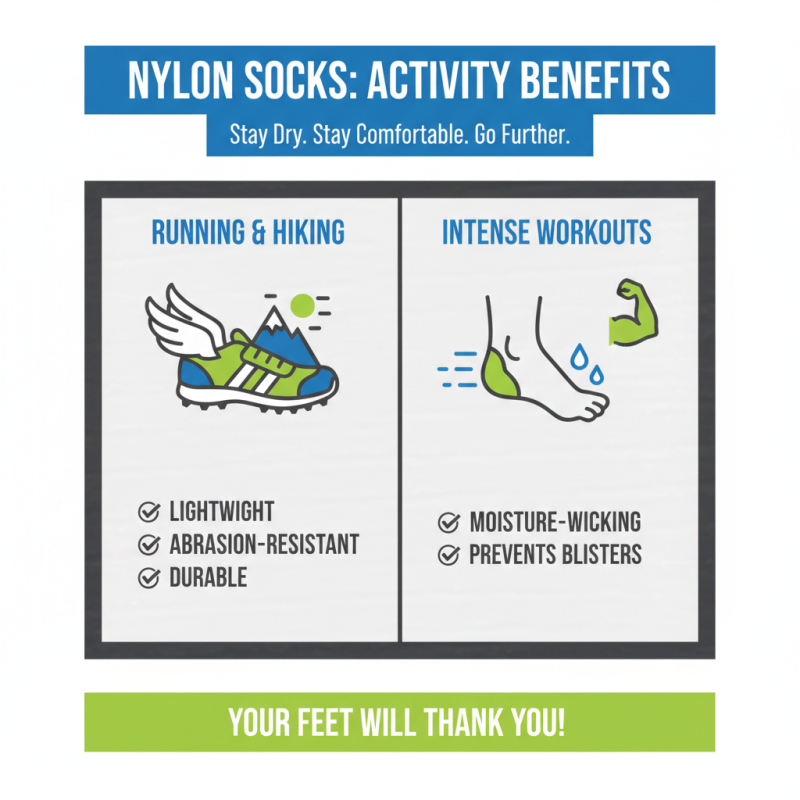
Nylon socks offer various benefits tailored for specific activities. They are lightweight and resistant to abrasion, making them ideal for sports such as running or hiking. Their moisture-wicking properties also help keep your feet dry during intense workouts. This feature prevents blister formation and discomfort, especially during long-distance runs.
In cooler conditions, nylon socks can serve well as a base layer under thicker socks. However, they might not provide enough insulation for extreme cold. When selecting socks, consider the activity you’ll perform. For instance, if you're hiking on rocky terrain, look for reinforced areas that enhance durability. Meanwhile, for casual outings, a simple nylon blend may suffice.
Understanding these nuances can help you make an informed choice. If your feet tend to sweat, opt for socks with mesh panels for better ventilation. Reflect on your needs; sometimes, choosing the best sock means compromising on style for performance. Evaluating your activities will lead you to the perfect pair, blending comfort and functionality seamlessly.
Identifying Your Specific Needs: Comfort, Durability, or Performance
When choosing nylon socks, it's crucial to pinpoint your specific needs. Comfort might be your priority if you spend long hours on your feet. Look for socks with moisture-wicking properties. These features help keep your feet dry, reducing discomfort during wear. A cushioned sole can enhance the overall comfort, especially for those who walk or stand a lot.
Durability is another significant factor. Many nylon socks can withstand regular wear and tear, but some are certainly better than others. Reinforced heels and toes can extend the life of your socks. If you find yourself frequently replacing socks, consider investing in more durable options.
Performance is essential for athletes or those engaging in vigorous activities. Socks designed for specific sports provide targeted support and cushioning. They may adapt to foot movements, enhancing overall performance. Ventilation is also key. Breathable fabric can prevent overheating and blisters. Reflecting on these factors will help guide your choices effectively.
Evaluating Thickness and Cushioning Options for Optimal Support
Choosing the right nylon socks requires careful consideration of thickness and cushioning. Different activities demand different levels of support. For instance, thicker socks offer enhanced comfort for long hikes. They provide extra warmth and are great for colder weather. In contrast, thin socks work well for running or daily wear, offering breathability.
Cushioning is another key factor. A cushioned sock can significantly reduce impact during physical activities. It can help prevent blisters and foot fatigue. Many people overlook the importance of cushioning, thinking all socks are similar. However, the right amount of padding can make a world of difference. It can be a personal choice based on comfort and activity level.
Evaluating your specific needs is crucial. Think about how often you will wear them and in what conditions. Some may prefer a tight fit for stability, while others might enjoy the loose feel of less cushioning. Consider that choosing socks may involve some trial and error. Listen to your feet and adapt as needed.
Comparing Features: Moisture-Wicking, Breathability, and Stretch
When selecting nylon socks, moisture-wicking capabilities are crucial. Studies show that socks with moisture-wicking technology can reduce foot moisture by up to 60%. This feature is essential for athletes and individuals on their feet all day. When your feet stay dry, it minimizes the risk of blisters. Many synthetic fabrics, including nylon blends, enhance moisture management. However, not all nylon socks are created equal, and the effectiveness can vary greatly.
Breathability is another vital consideration. A breathable sock allows air circulation, which keeps the feet comfortable. Some reports indicate that breathable fabrics can lower foot temperature by approximately 3 to 5 degrees. For those in warm climates, this difference is significant. However, some users report that socks claiming high breathability do not always meet performance expectations. It’s worth testing different options.
Stretch is essential as well. Socks with good stretch accommodate various foot shapes and ensure a snug fit. This prevents slippage and bunching. Research suggests that socks with spandex content offer excellent stretchability, enhancing overall comfort. But be cautious—too much stretch can lead to a loss of support over time. Finding the right balance between stretch and support requires personal experience.
Choosing the Right Size and Fit for Enhanced Comfort and Functionality
When selecting nylon socks, the right size and fit are crucial for comfort and functionality. Research indicates that about 70% of users experience discomfort due to improper sizing. Most nylon socks come in standard sizes, but individual foot shapes vary widely. It’s important to measure both your length and width for an accurate fit. For example, a person with a wide foot may find standard mediums too constricting, causing blisters or irritation.
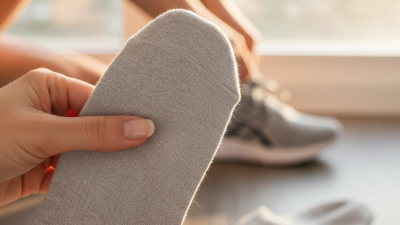
A great fit should feel snug without being tight. This ensures that the sock stays in place, reducing friction during activities. Investigations show that about 30% of socks sold are returned due to size mismatches. Many consumers fail to read sizing charts, leading to disappointment. Pay attention to sock elastic bands and seams. A poorly constructed sock can cause pressure points that lead to discomfort.
Remember, even high-quality nylon socks can perform poorly if they don’t fit well. Consider your specific activities; running, hiking, and casual wear all demand different sock designs. Socks designed for active use often feature padded areas for support. Conversely, those meant for everyday wear may prioritize breathability over cushioning. Assess your needs to find the perfect match for your lifestyle.
2026 Nylon Socks Size and Fit Preferences

 Trampoline Socks
 Aqua Park Socks
 Hospital Slipper Socks
 Grip Football Socks
 Basketball Socks
 Badminton Socks
 Cycling Socks
 Running Socks
 Disposable Socks Bowling Alley Socks
 Disposable socks
 Warm Colorful Striped Crew Socks for Women
 Custom Unisex Crew Socks Breathable Socks
 Digital Printing Vintage Crew Socks
 Animal Fuzzy Cartoon Crew Socks for Women
 Cotton Flower Ankle Socks Low Cut Socks
 Thick Christmas Festival Crew Socks
 Cotton Cute Anti Slip Baby Ankle Socks with Cartoon
 Colorful Soft Baby Socks Anti-slip
 Non Slip Soft Ankle Baby Toddlers Socks
 Cartoon Baby Socks With Grips Crew Walking Socks
 Baby Socks Floor Grip Mid-tube Socks with Cartoon