What is Aquatic Footwear and Why You Need It?
Aquatic Footwear is more than a trend; it’s a necessity for water enthusiasts. Whether you’re kayaking, paddle boarding, or simply enjoying a day at the beach, the right footwear enhances your experience. Many people underestimate the importance of proper shoes in aquatic settings. They assume any old pair will suffice. However, this mindset can lead to discomfort and accidents.
These specialized shoes offer comfort and grip on slippery surfaces. They help prevent slips and falls while you navigate rocky shorelines or wet decks. Furthermore, Aquatic Footwear dries quickly. This feature is crucial after long hours in the water. Enhanced drainage allows for better foot health by reducing moisture accumulation.
Choosing the right Aquatic Footwear can change your adventure. Yet, not all options are suitable for every activity. Reflect on your specific needs and the conditions you'll face. Investing in quality footwear means prioritizing both safety and enjoyment. Consider your activities carefully, and select wisely for a better experience.
Understanding Aquatic Footwear: Definition and Importance
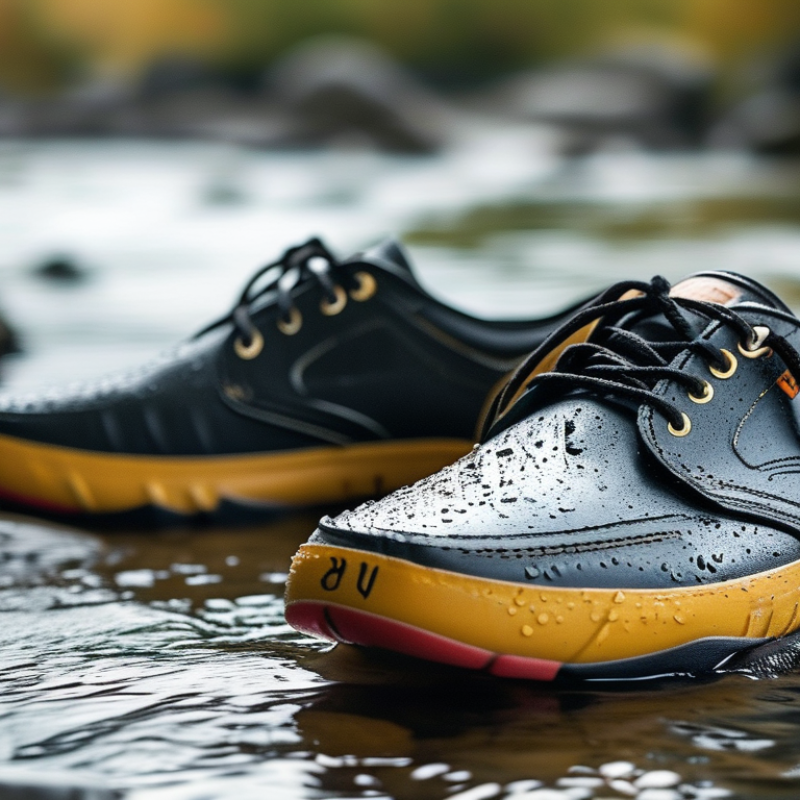
Aquatic footwear refers to specialized shoes designed for water-related activities. These shoes blend functionality and comfort. They often feature quick-drying materials and non-slip soles. This design supports both performance and safety in wet environments.
Having the right footwear can prevent injuries. Slipping on wet surfaces is common. Aquatic shoes provide better grip and stability. They often have drainage holes, allowing water to escape easily. This helps in maintaining comfort during prolonged wear. Users often report feeling more confident in their movements.
Choosing the right aquatic footwear involves understanding specific needs. Some people prefer lightweight options for swimming and kayaking. Others may need sturdier designs for rocky terrains. It’s essential to consider the environment and activities planned. Making thoughtful choices can greatly enhance overall experience.
Key Features of Aquatic Footwear: What Sets It Apart
Aquatic footwear is designed specifically for wet environments. These shoes are essential for those who enjoy water activities like kayaking, paddleboarding, or beachcombing. They provide a unique blend of support and protection. The materials used are often water-resistant and quick-drying. This helps keep your feet comfortable and free from excess moisture.
One key feature is the slip-resistant sole. This offers stability on slippery surfaces. Another important aspect is breathability. Many models have mesh panels that allow for airflow. This prevents overheating during intense activities. Lightweight design also contributes to ease of movement. However, it's worth noting that some users may find them lacking in arch support. This can lead to discomfort on longer excursions.
Choosing the right pair can be challenging. Not all aquatic footwear brands provide the same level of durability. Researching materials and reviews is crucial. Look for expert advice on what to prioritize in quality. Paying attention to these factors can greatly enhance your aquatic experiences.
Types of Aquatic Footwear: Finding the Right Fit for Your Needs
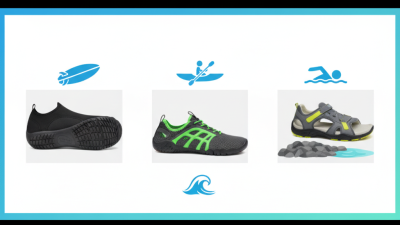
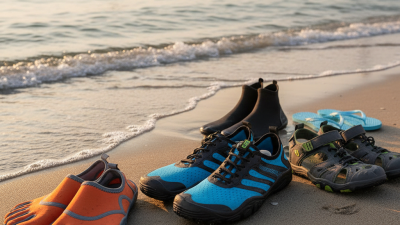
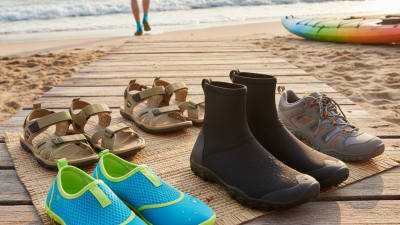
Aquatic footwear comes in various styles, designed for specific water activities. When choosing the right type, consider your intended use. For instance, water shoes offer stability and traction for rocky beaches. They often feature quick-drying materials, making them perfect for unexpected splashes. If you prefer a more casual day by the lake, flip-flops could be ideal for easy on-and-off access.
Tips for choosing aquatic footwear include assessing the terrain you’ll encounter. If you expect slippery rocks, opt for shoes with a textured sole. Pay attention to fit; tight footwear may cause discomfort. Test your shoes in shallow water before heading out. This can ensure that they won’t rub or irritate your skin.
Additionally, some designs provide extra support for water sports. For kayaking or paddleboarding, consider shoes that grip well and remain secure. Make sure they don’t hold excess water. Many people overlook the importance of this detail, but it can significantly affect your experience. Always keep comfort and functionality in mind for the best aquatic adventures.
Benefits of Wearing Aquatic Footwear: Safety and Comfort
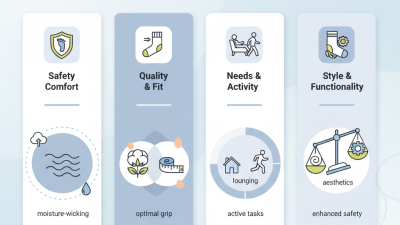
Aquatic footwear serves a crucial role in enhancing safety and comfort during water activities. According to a 2022 study published by the Water Sports Safety Institute, nearly 40% of accidents in aquatic environments result from improper footwear. This highlights the necessity of specialized shoes designed for wet surfaces. Aquatic footwear typically features non-slip soles, which provide better traction on slippery terrains. The right footwear can significantly reduce the risk of slips, trips, and falls.
Comfort is another essential factor. Many aquatic shoes are crafted from lightweight, breathable materials, allowing for extended wear. A 2021 consumer survey indicated that 78% of users reported improved comfort and mobility with aquatic footwear compared to regular shoes. These shoes often drain quickly, preventing water buildup and discomfort. The design of these shoes caters to various activities, from beach walks to kayaking. While they are effective, some users might find them less supportive than traditional footwear.
The versatility of aquatic footwear is noteworthy. They can be used in diverse settings, but styling may not align with personal preferences. This often leads to a dilemma for fashion-conscious individuals. Nonetheless, the trade-off for safety and comfort is worth considering. With the rise of aquatic activities, investing in proper footwear becomes increasingly important for both recreational and professional adventures.
Choosing the Right Aquatic Footwear for Various Water Activities
When choosing aquatic footwear, consider the specific water activity you plan to engage in. Different activities call for various designs. For example, kayaking requires lightweight shoes that provide grip and drainage. They should dry quickly to avoid discomfort during long trips.
Similarly, paddleboarding demands footwear with excellent traction to maintain balance on slippery surfaces.
If you’re swimming, consider sandals or water shoes designed for quick drying. Look for those with flexible materials that offer comfort and protection. Not every model will suit everyone’s needs, so testing them in the water can help. Engage with local experts or experienced users for insights. Always think about the terrain you will encounter. Rocky shores or submerged logs can be hazardous without proper footwear.
Venturing into fishing requires attention to waterproof capabilities. Some footwear might seem stylish but lack functionality. Understand what truly matters: durability, comfort, and safety. These shoes play a crucial role in enhancing your experience. Each choice holds challenges, so reflect on your preferences and past experiences. This can guide you toward smarter decisions.

 Trampoline Socks
 Aqua Park Socks
 Hospital Slipper Socks
 Grip Football Socks
 Basketball Socks
 Badminton Socks
 Cycling Socks
 Running Socks
 Disposable Socks Bowling Alley Socks
 Disposable socks
 Warm Colorful Striped Crew Socks for Women
 Custom Unisex Crew Socks Breathable Socks
 Digital Printing Vintage Crew Socks
 Animal Fuzzy Cartoon Crew Socks for Women
 Cotton Flower Ankle Socks Low Cut Socks
 Thick Christmas Festival Crew Socks
 Cotton Cute Anti Slip Baby Ankle Socks with Cartoon
 Colorful Soft Baby Socks Anti-slip
 Non Slip Soft Ankle Baby Toddlers Socks
 Cartoon Baby Socks With Grips Crew Walking Socks
 Baby Socks Floor Grip Mid-tube Socks with Cartoon