How to Choose the Best Nylon Socks for Every Occasion?
Nylon socks have become a staple in modern wardrobes. They offer not only durability but also comfort across various settings. According to a recent market report by Grand View Research, the global nylon sock market is projected to reach $3.5 billion by 2025, driven by their versatility and performance. This data underscores their rising popularity and the importance of making informed choices.
When selecting nylon socks, it’s essential to consider factors such as thickness, breathability, and fit. For instance, socks designed for athletic use often emphasize moisture-wicking technology. In contrast, dress socks prioritize elegance and comfort without compromising on functionality. Yet, many consumers overlook critical details, leading to discomfort or dissatisfaction.
Choosing the right nylon socks can enhance your daily experience, whether at work, during workouts, or while relaxing. This journey requires understanding the diverse options available. It's crucial to reflect on your specific needs and preferences, as well as the activities you engage in. Ultimately, the right pair can make all the difference.
Understanding the Fabric: Key Properties of Nylon Socks
When selecting nylon socks, the understanding of their fabric properties is crucial. Nylon is known for its durability, strength, and elasticity. According to a report by the Textile Research Journal, nylon fibers have a tensile strength of approximately 8-12 grams per denier. This means that nylon socks can withstand significant wear and tear, making them ideal for active lifestyles.
Breathability and moisture-wicking properties are another key aspect. Nylon has excellent moisture management, drawing sweat away from the skin. A study from the International Journal of Sports Science indicates that moisture-wicking fabrics can reduce foot odor and prevent blisters during extended wear. This feature is particularly valuable for athletes or anyone engaging in prolonged physical activity.
Despite these advantages, nylon socks can sometimes lead to discomfort. Many consumers report that they can feel too synthetic compared to natural fibers. Additionally, if not blended properly, nylon can lose its shape over time. Thus, considering a mix of nylon with other fibers may provide enhanced comfort and breathability. Balancing these factors when choosing socks for different occasions is essential, as the environment and activity levels significantly impact performance.
Different Types of Nylon Socks and Their Specific Uses
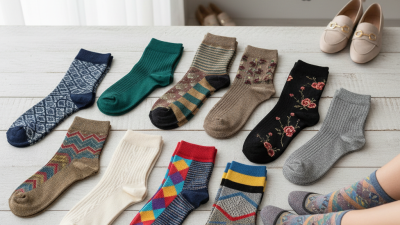
Nylon socks come in various styles, each designed for specific needs. For casual wear, lightweight nylon socks often provide breathability. They are perfect for everyday activities, keeping your feet dry. In contrast, thicker options are great for colder months. They trap warmth and are suitable for outdoor events.
Athletic nylon socks are ideal for sports enthusiasts. These socks usually feature moisture-wicking properties. They help reduce blisters during intense activities. However, not all athletic options provide the same level of support. It’s important to try different styles to find what fits your needs best.
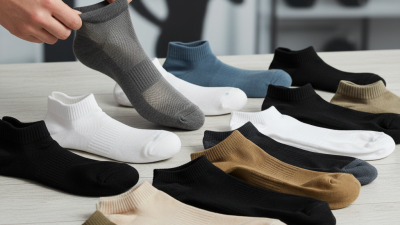
Dress socks made of nylon add a touch of elegance. They are usually thinner and come in various colors. However, slipping down or discomfort can happen. It’s vital to choose the right fit to avoid distraction during important events. Overall, knowing the use of each type ensures you get the right nylon socks for any occasion.
How to Choose the Best Nylon Socks for Every Occasion?
| Type of Nylon Sock |
Best Uses |
Key Features |
| Athletic Nylon Socks |
Running, Sports Activities |
Moisture-wicking, Extra Cushioning, Arch Support |
| Dress Nylon Socks |
Formal Occasions, Business Wear |
Thin, Elegant Designs, Color Variety |
| Thermal Nylon Socks |
Cold Weather, Outdoor Activities |
Insulated, Thick, Heat Retaining |
| No-Show Nylon Socks |
Casual Wear, Low-cut Shoes |
Invisible, Lightweight, Comfortable Fit |
| Compression Nylon Socks |
Travel, Long-Distance Running |
Improved Circulation, Supportive Fit |
Sizing and Fit: How to Ensure Comfort with Nylon Socks
Choosing the right nylon socks involves understanding sizing and fit. Comfort starts with the right measurements. First, know your shoe size. Most brands provide size charts. Compare your shoe size with those charts for accurate results.
Nylon socks often feature a blend of materials. This affects both stretch and breathability. If socks are too tight, they can create pressure points. If they are too loose, they may slip or cause blisters. Experimenting with different sizes may help you find the perfect fit. Remember, a snug but comfortable fit is essential for all-day wear.
Also, consider the sock's height and thickness. Lower-cut socks might suit summer wear, while thicker options provide warmth in cooler months. Fit can also be affected by the sock's elasticity after washing. Some may shrink or lose their shape. Periodically reassessing your sock drawer ensures you maintain your comfort level and sock quality.
How to Choose the Best Nylon Socks for Every Occasion?
Sizing and Fit: How to Ensure Comfort with Nylon Socks
Choosing Nylon Socks for Athletic vs. Casual Occasions
Choosing the right nylon socks can significantly enhance your experience, whether you're engaging in athletic activities or enjoying casual outings. Athletic nylon socks are typically designed for performance. They feature moisture-wicking technology. A reported 70% of athletes prefer synthetic fibers for better breathability. This is crucial to keep your feet dry, especially during high-intensity workouts. A snug fit reduces friction, minimizing the risk of blisters.
In contrast, casual occasions call for comfort and style. While performance may take a back seat, the look and feel of your socks matter. Many people overlook the importance of cushioning in casual socks. A survey found that 68% of consumers prefer soft, cushioned socks for everyday wear. Choosing the right thickness is essential, too. Thick socks may be cozy but can make shoes feel tight. Balancing comfort and aesthetics adds a layer of complexity to your decision-making process.
Consider fabric blends tailored for specific needs. For example, some nylon socks contain spandex for added stretch. This allows a better fit, catering to various foot shapes. However, not all blends are durable. Low-quality socks may wear out quickly, leaving you needing replacements sooner than expected. Reflect on your needs before making a purchase. This will help narrow down options and ensure you choose wisely.
Care Instructions: Maximizing the Lifespan of Your Nylon Socks
To maximize the lifespan of your nylon socks, proper care is crucial. Start by washing them in cold water. This helps maintain their elasticity and color. Avoid using bleach or harsh detergents. Instead, opt for mild soap to prevent wear and tear.
Drying is another important step. Air drying is best for nylon socks. Simply lay them flat on a clean surface. High heat can damage the fibers, leading to shrinkage. If you must use a dryer, select a low heat setting. Take the time to check your socks regularly for small signs of damage. A tiny snag can lead to larger holes over time.
Storing your socks properly also contributes to their longevity. Keep them in a cool, dry place. Avoid cramming them into tight spaces. This can stretch out the fabric and ruin their fit. You might find that rolling them or placing them in pairs helps keep them neat. Ultimately, mindful maintenance ensures your nylon socks serve you well for many occasions ahead.

 Trampoline Socks
 Aqua Park Socks
 Hospital Slipper Socks
 Grip Football Socks
 Basketball Socks
 Badminton Socks
 Cycling Socks
 Running Socks
 Disposable Socks Bowling Alley Socks
 Disposable socks
 Warm Colorful Striped Crew Socks for Women
 Custom Unisex Crew Socks Breathable Socks
 Digital Printing Vintage Crew Socks
 Animal Fuzzy Cartoon Crew Socks for Women
 Cotton Flower Ankle Socks Low Cut Socks
 Thick Christmas Festival Crew Socks
 Cotton Cute Anti Slip Baby Ankle Socks with Cartoon
 Colorful Soft Baby Socks Anti-slip
 Non Slip Soft Ankle Baby Toddlers Socks
 Cartoon Baby Socks With Grips Crew Walking Socks
 Baby Socks Floor Grip Mid-tube Socks with Cartoon