How to Choose the Right Shoe Fitting Socks for Comfort?
Choosing the right Shoe Fitting Socks can dramatically affect your comfort and overall foot health. Dr. Emily Thompson, a renowned podiatrist, once said, "The right socks can be a game-changer for foot comfort." This insight highlights the importance of selecting socks tailored to your specific footwear and activities.
Many people overlook the significance of Shoe Fitting Socks. They often settle for standard options, which can lead to discomfort and foot issues. Ill-fitting socks can cause blisters or restrict circulation. When socks are too tight, they can create pressure points. However, finding the right fit enhances comfort and support.
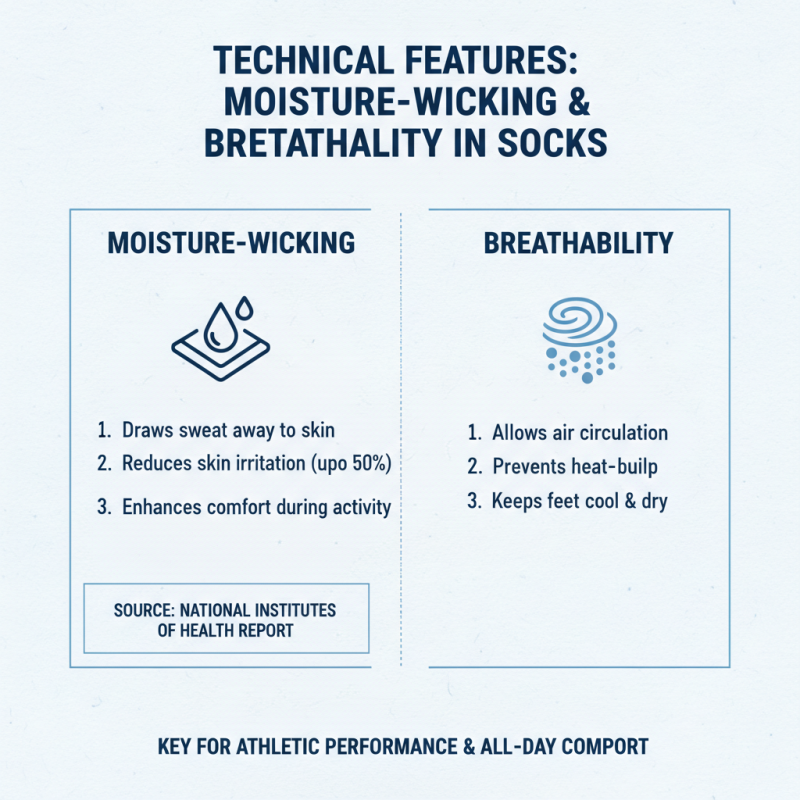
Consider factors such as material, thickness, and design when making your choice. Socks constructed from moisture-wicking materials can keep your feet dry. Additionally, the right thickness can provide cushioning without compromising shoe fit. By understanding these options, you can elevate your shoe-wearing experience.
Understanding Shoe Fitting Socks: Importance for Comfort and Fit
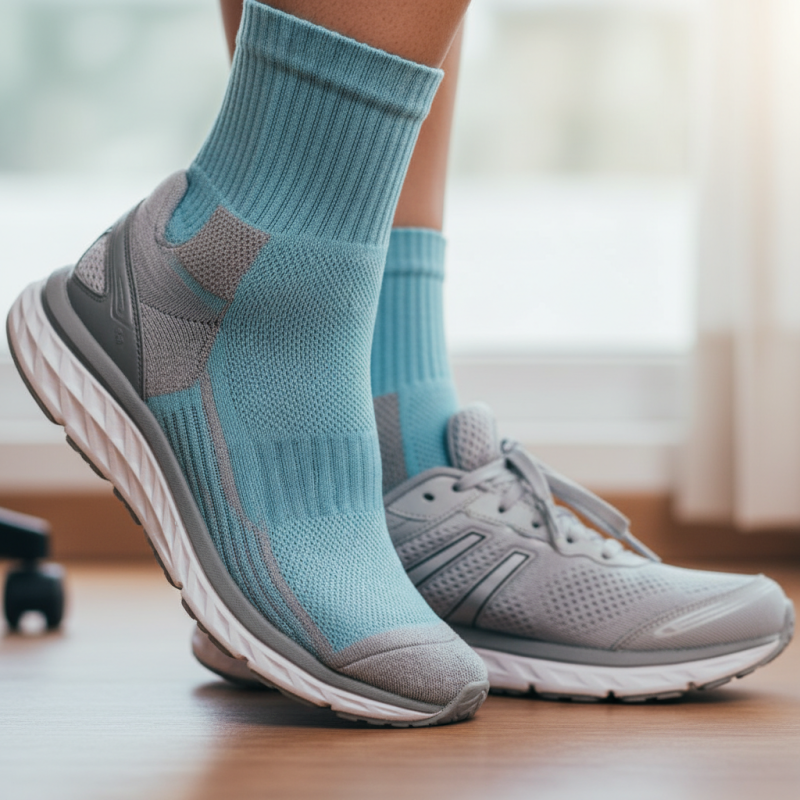
Selecting the right shoe fitting socks is crucial for maintaining comfort and ensuring a proper fit. Shoe fitting socks provide cushioning, insulation, and help reduce blisters. Understanding the materials used is essential. Breathable fabrics like cotton or wool wick away moisture, keeping your feet dry and comfortable.
Tips: When choosing socks, pay attention to thickness. Thicker socks can offer more cushioning. However, they can also make shoes feel tighter. Experiment with different thicknesses to find the right balance that suits your needs.
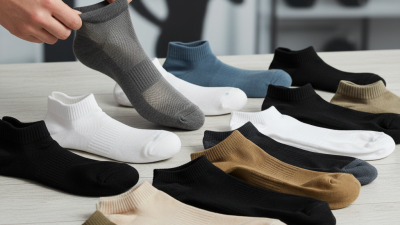
Comfort often hinges on the fit of your socks. Consider the length, style, and compression level. Some people prefer crew socks, while others favor ankle or no-show options. A snug fit around the arch can enhance support, but be cautious. Too much compression may restrict circulation.
Tips: If your feet often feel cold or sweaty, opt for moisture-wicking materials. These fabrics can enhance temperature regulation. Additionally, always try on socks with your shoes before committing to a purchase. This step can illuminate any potential issues with fit, allowing for adjustments.
Types of Socks: Fabric Materials and Their Impact on Comfort
When choosing sock materials, comfort is key. Various fabrics significantly influence overall comfort levels. Cotton is a popular choice for daily wear. It is breathable and offers decent cushioning. However, it may retain moisture, leading to discomfort during extended activities. A report by The American Podiatric Medical Association indicates that moisture-wicking properties are crucial for foot health.
Synthetic fibers like polyester and nylon are often added to sock blends. These materials provide excellent moisture management. They help keep feet dry and reduce the risk of blisters. An industry study suggests that socks with at least 30% synthetic content can improve wearability during sports by 40%. However, the blend's effectiveness can vary. Finding the right combination may take some trial and error.
Merino wool is another fabric gaining attention. It regulates temperature well, adapting to hot and cold conditions. According to research from the International Wool Textile Organisation, merino socks can improve comfort during long-distance activities. Still, some find wool's texture irritating. This can lead to a need for reflection on personal preferences. Ultimately, the right sock material affects your comfort and performance.
Sizing and Fit: Finding the Right Sock Size for Optimal Comfort
Finding the right sock size is crucial for comfort. Many people overlook sock fitting, but it can significantly affect foot health. According to the American Podiatric Medical Association, ill-fitting socks can cause blisters, discomfort, and even fungal infections. Proper sizing means considering not just shoe size but also foot shape.
Most sizing charts suggest measuring both foot length and circumference. Data from industry surveys show that about 60% of people wear the wrong sock size. This misfit can lead to bunching, slipping, or pinching. A sock that is too tight restricts circulation. Conversely, a loose sock can lead to friction and blisters, especially during physical activities.
Materials matter too. Cotton blends provide breathability, while synthetic fibers often enhance moisture-wicking properties. However, many consumers still base their selections on color or style rather than fit. Investing time in measurement and selection can lead to a more enjoyable experience. When considering how socks should fit, reflect on past experiences. Did you notice discomfort during a long walk? It might be time to revisit your sock choices.
What to Avoid: Common Mistakes in Choosing Fitting Socks for Shoes
Choosing the right fitting socks for your shoes can be tricky. Many people make common mistakes that lead to discomfort. One major error is selecting socks that are too thick. Thick socks can create pressure points, leading to blisters or sore spots. Ensure that your socks complement the shoe type, allowing a snug fit without compromising comfort.
Another frequent mistake involves ignoring materials. Opting for synthetic fiber socks can cause sweat build-up. This results in an unpleasant odor and discomfort during wear. Look for breathable fabrics like cotton or wool blends. They help regulate temperature and wick moisture away efficiently. Additionally, avoid shoes that should be worn with dress socks but are paired with athletic socks. This mismatch can cause a lack of support and lead to foot fatigue.
We often overlook the importance of size. Socks that are too large can slide down during movement. This causes friction against the shoe and can lead to irritation. Consider your shoe size carefully when choosing socks. Many people underestimate how crucial this detail is in ensuring all-day comfort. These mistakes may seem small, but they can significantly affect your overall experience.
How to Choose the Right Shoe Fitting Socks for Comfort

 Trampoline Socks
 Aqua Park Socks
 Hospital Slipper Socks
 Grip Football Socks
 Basketball Socks
 Badminton Socks
 Cycling Socks
 Running Socks
 Disposable Socks Bowling Alley Socks
 Disposable socks
 Warm Colorful Striped Crew Socks for Women
 Custom Unisex Crew Socks Breathable Socks
 Digital Printing Vintage Crew Socks
 Animal Fuzzy Cartoon Crew Socks for Women
 Cotton Flower Ankle Socks Low Cut Socks
 Thick Christmas Festival Crew Socks
 Cotton Cute Anti Slip Baby Ankle Socks with Cartoon
 Colorful Soft Baby Socks Anti-slip
 Non Slip Soft Ankle Baby Toddlers Socks
 Cartoon Baby Socks With Grips Crew Walking Socks
 Baby Socks Floor Grip Mid-tube Socks with Cartoon