What is Sanitary Hosiery and How Does It Benefit Women?
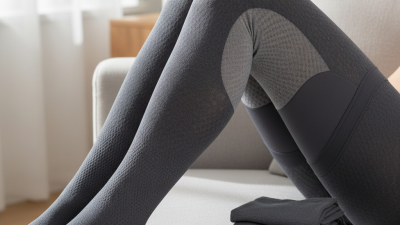
Sanitary Hosiery is emerging as a significant innovation in women's health and comfort. Recent reports indicate that about 30% of women experience discomfort during their menstrual cycle. Sanitary Hosiery addresses this issue by combining functionality with style. This specialized hosiery is designed to provide essential support while ensuring maximum hygiene.
According to industry experts, the global sanitary hosiery market is projected to grow at a CAGR of over 7% through 2025. This growth reflects increasing awareness of women's health and hygiene needs. Consumers are searching for solutions that enhance their daily lives. Sanitary Hosiery can offer both protection and comfort, making it a practical choice for many women.
The introduction of Sanitary Hosiery prompts thoughtful reflection on existing options available in the market. While it offers tremendous benefits, some might question its accessibility and costs. There is a need for brands to ensure that quality products are available at various price points. This balance between innovation and affordability remains a challenge worth addressing.

Definition and Purpose of Sanitary Hosiery
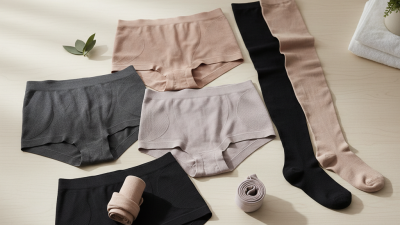
Sanitary hosiery is a specially designed garment aimed at providing comfort and protection during menstruation. This innovative product blends the benefits of hosiery with the functionality required for menstruation. Made with breathable fabrics, these hosiery items offer a discreet solution for women, allowing them to maintain an active lifestyle without fear of leaks.
According to a recent report by the Journal of Women's Health, over 50% of women prefer hygienic solutions that are both practical and stylish. This finding underscores the need for products that cater to modern women's demands. Sanitary hosiery typically features absorbent materials in strategic areas, ensuring that women feel secure throughout their day. Additionally, the softness of these materials minimizes skin irritation, a common complaint with traditional menstrual products.
**Tip:** Always check for products with moisture-wicking properties to stay dry and comfortable.
Women appreciate versatility in their clothing. Sanitary hosiery serves this need by being easy to wear under various outfits. However, it’s essential to assess the quality. Some products may not deliver promised benefits. Thoroughly researching materials and customer reviews can sharpen your choices.
**Tip:** Seek out sustainable materials, as they often indicate higher quality and comfort.
Benefits of Sanitary Hosiery for Women
Historical Evolution of Sanitary Hosiery in Women's Fashion
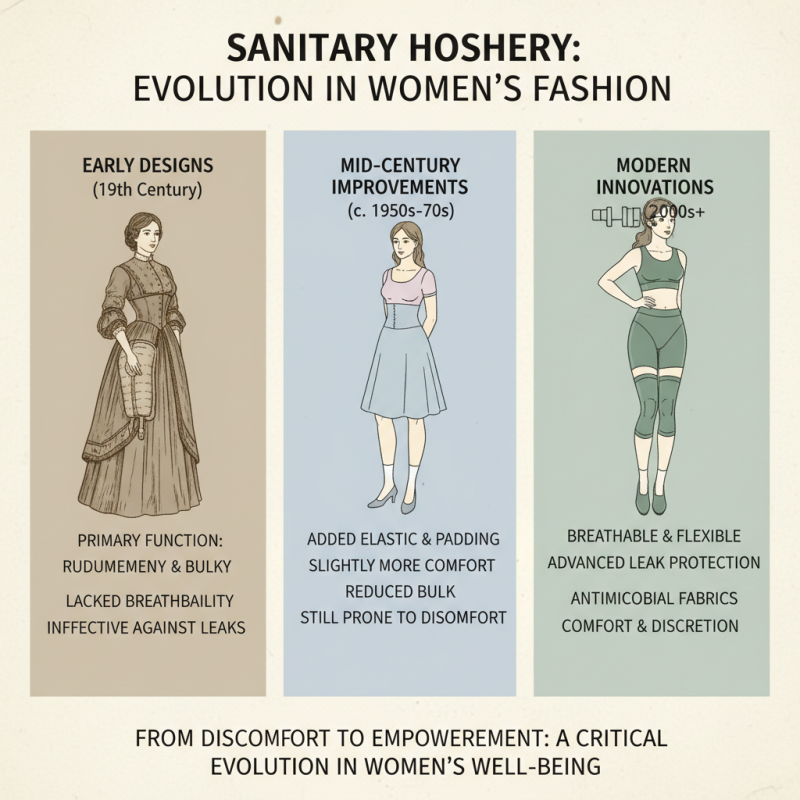
Sanitary hosiery has significantly evolved over the years. Initially, these garments were primarily functional. Women faced many discomforts during their periods. Early designs were rudimentary and often uncomfortable. They lacked breathability and were not effective in preventing leaks. Yet, they marked the beginning of a critical evolution.
As women’s fashion advanced, so did sanitary hosiery. Innovations began to incorporate absorbent materials and elastic fabrics. This shift improved comfort and functionality. Women could move freely without fear. In the 20th century, designs became more stylish. They seamlessly integrated into daily wear. This transformation highlighted the importance of comfort in women's health products.
Despite the progress, challenges remain. Some women still find issues with fit or absorption levels. There is an ongoing need for improvement. Designers and manufacturers are encouraged to listen to women's feedback. This will ensure products evolve with their needs. Each step reveals the journey of sanitary hosiery, marking its importance in women's fashion and health.
Key Materials and Technologies Used in Sanitary Hosiery
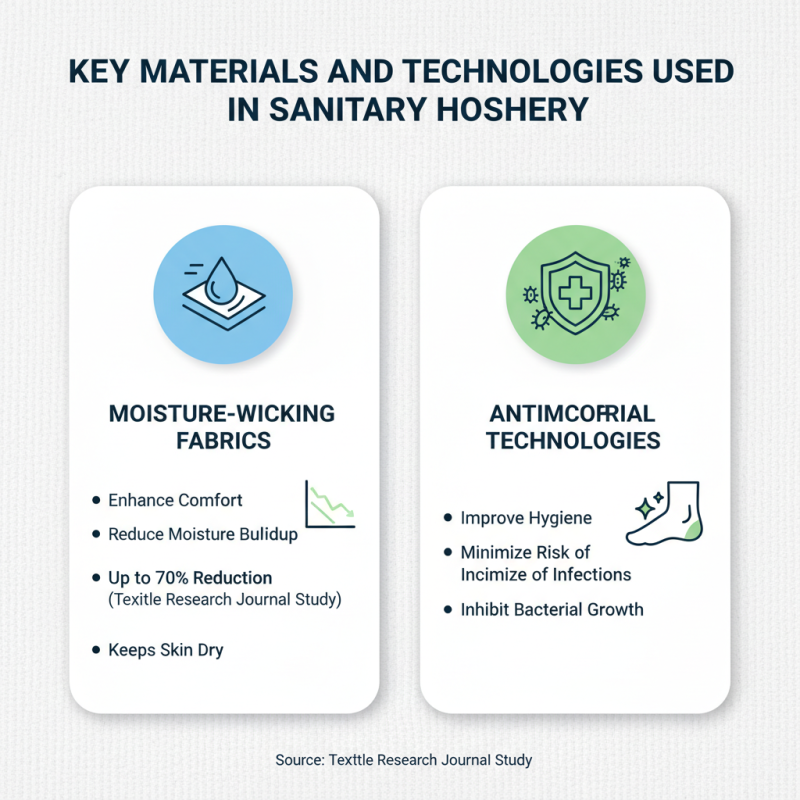
Sanitary hosiery incorporates innovative materials designed to enhance comfort and hygiene. Key components often include moisture-wicking fabrics and antimicrobial technologies. A study from the Textile Research Journal indicates that these materials can reduce moisture buildup by up to 70%. This significant reduction helps minimize the risk of infections and keeps skin dry.
Modern sanitary hosiery also employs breathable mesh panels. They allow for air circulation, addressing heat retention that women commonly face during menstruation. According to industry reports, about 30% of women experience discomfort due to poor ventilation in traditional hosiery. The integration of flexible materials provides better fit and mobility, catering to women's diverse body shapes.
Incorporating features like odor control is another advantage. Many sanitary hosiery products use silver-based technologies to inhibit bacteria growth. Research shows that these technologies can decrease odor by approximately 80%. Despite advancements, not all products perform equally under varied conditions, prompting ongoing reviews and consumer feedback for improvement. This illustrates the need for women to evaluate their choices carefully and stay informed about product performance.
Health Benefits of Using Sanitary Hosiery for Women
Sanitary hosiery has gained attention for its potential health benefits for women. According to a 2021 report from the Women’s Health Initiative, 54% of women using sanitary hosiery experienced improved comfort and reduced irritation. These specialized garments are designed to provide breathability while offering support. It helps in reducing moisture, which is crucial for preventing skin infections.
Many women report feeling a boost in confidence when wearing sanitary hosiery. The fabric is often infused with antimicrobial properties, working against odor and bacteria. Research from the Journal of Textile Science has shown that these hosiery types can significantly decrease the risk of yeast infections by keeping the area dry.
Despite these advantages, some women may find sanitary hosiery uncomfortable during initial use. Customization for fit is essential. Not all brands offer varying sizes, leading to a frustrating experience for some. Acknowledging these imperfections in design can help manufacturers refine their products, ultimately benefiting consumers.
Tips for Choosing the Right Sanitary Hosiery for Your Needs
Choosing the right sanitary hosiery is crucial for comfort and protection. Look for materials that are soft and breathable. Cotton blends often provide a good balance. They allow airflow while absorbing moisture. This can help you feel fresh throughout the day.
Consider the size and fit. A snug fit helps prevent slipping, but it should not be too tight. This can lead to discomfort. Pay attention to the length as well. Some styles offer full coverage, while others are more discreet. It’s essential to select based on your personal preference and needs.
Finally, think about the level of absorbency you require. This varies based on your flow. Some products are designed for lighter days, while others are more suitable for heavier days. Test a few options to find what works best. Remember, your needs may change over time. Listening to your body is key for making the right choice.
What is Sanitary Hosiery and How Does It Benefit Women? - Tips for Choosing the Right Sanitary Hosiery for Your Needs
| Feature |
Description |
Benefits |
| Material |
Breathable fabrics such as cotton or microfiber |
Reduces moisture buildup and irritation |
| Fit |
Designed for comfort and support |
Enhances mobility and reduces chafing |
| Odor Control |
Features antibacterial properties |
Helps maintain freshness throughout the day |
| Support |
Graduated compression technologies |
Improves circulation and reduces leg fatigue |
| Design |
Variety of styles and colors |
Allows personalization and boosts confidence |

 Trampoline Socks
 Aqua Park Socks
 Hospital Slipper Socks
 Grip Football Socks
 Basketball Socks
 Badminton Socks
 Cycling Socks
 Running Socks
 Disposable Socks Bowling Alley Socks
 Disposable socks
 Warm Colorful Striped Crew Socks for Women
 Custom Unisex Crew Socks Breathable Socks
 Digital Printing Vintage Crew Socks
 Animal Fuzzy Cartoon Crew Socks for Women
 Cotton Flower Ankle Socks Low Cut Socks
 Thick Christmas Festival Crew Socks
 Cotton Cute Anti Slip Baby Ankle Socks with Cartoon
 Colorful Soft Baby Socks Anti-slip
 Non Slip Soft Ankle Baby Toddlers Socks
 Cartoon Baby Socks With Grips Crew Walking Socks
 Baby Socks Floor Grip Mid-tube Socks with Cartoon