10 Essential Tips for Choosing the Best Cooling Socks for Hot Weather?
When summer heat hits, choosing the right gear is essential. One expert in the field, Dr. Sam Thompson, a sportswear scientist, emphasizes, "Cooling Socks can significantly enhance comfort during hot weather." These specially designed socks provide moisture control and breathability. They are crucial for outdoor activities or simply enjoying a hot day.
Understanding what makes the best Cooling Socks is vital. Features like fabric technology, fit, and moisture-wicking ability all play a role. However, not every sock labeled as "cooling" performs equally. Some may leave your feet sweaty, while others deliver on their promises. It's important to do your research and make informed choices.
Finding Cooling Socks that truly work requires careful consideration. Pay attention to materials, user reviews, and performance ratings. You might find a pair that’s popular, but it doesn’t mean it suits you. Test different brands to see what fits your needs best.
Understanding the Importance of Cooling Socks in Hot Weather
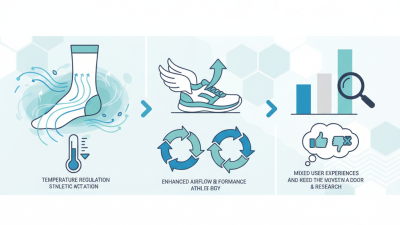
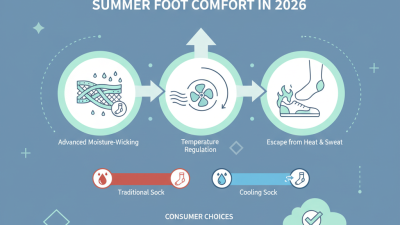
In hot weather, finding the right cooling socks can significantly enhance comfort. Wearing suitable socks helps regulate body temperature. They wick moisture away from the skin, preventing blisters and discomfort. Effective cooling socks can keep your feet dry and cool throughout the day, making outdoor activities more enjoyable.
Understanding how these socks function is crucial. They often use advanced materials that promote airflow. Some fibers can draw heat away from the skin. This is particularly important for athletes and people who work outdoors. However, not all cooling socks perform equally. It's vital to test different styles and fabrics. What works for one person may not suit another.
When choosing cooling socks, consider breathability and moisture management. Some socks may feel heavy when wet, impacting performance. Look for designs that offer a snug fit without being restrictive. Experimenting with different options can lead to better choices. Do not hesitate to ask for advice from those who have experience. Their insights can be invaluable.
Materials and Fabrics that Enhance Breathability and Moisture-Wicking
When selecting cooling socks for hot weather, the materials and fabrics play a vital role. Breathable fabrics such as merino wool, bamboo, and certain synthetic blends are game-changers. According to the Textile Research Journal, merino wool can regulate temperature effectively. It absorbs moisture and prevents heat from building up. Yet, some may feel it is not as lightweight as desired.
Moisture-wicking properties are equally essential. Fabrics like polyester and nylon excel in this area. They pull sweat away from the skin, promoting evaporation and keeping feet dry. A study by the American Academy of Sports Medicine found moisture-wicking socks reduced blisters by 30%. However, not all synthetics provide the same level of breathability. There is a risk with cheaper fabrics that they may trap heat, leading to discomfort.
Choosing the right sock often involves some trial and error. While the ideal fabric could seem perfect, personal preferences vary. A sock that works well for one person might cause excessive sweating for another. Comfort should never be sacrificed for looks or claims. It is crucial to consider how a sock feels during extended wear. The right choice hinges on finding a balance between moisture management and weight, ensuring an enjoyable experience even in the hottest conditions.
Key Features to Look for in Effective Cooling Socks
When choosing cooling socks for hot weather, focus on specific features that enhance comfort. Look for materials that wick moisture away from the skin. Fabrics like bamboo or specialized synthetics can be effective. Lightweight designs allow better air circulation. Consider socks with mesh zones. These enhance breathability, keeping your feet cooler.
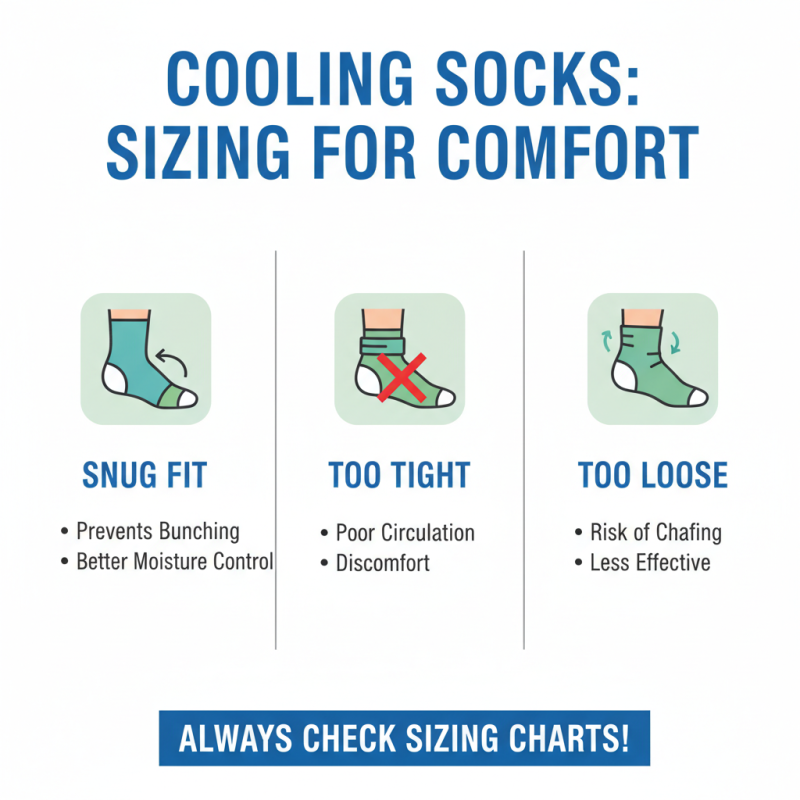
Another important aspect is the fit. Socks should not be too tight or too loose. A proper fit helps prevent blisters, which can be painful in high temperatures. Compression socks may also provide some benefits, improving blood circulation. However, make sure they aren't overly constrictive.
Look for moisture-management properties. Socks that dry quickly are preferable for sweaty conditions. This helps keep your feet dry and comfortable, reducing odor. Check for additional features like odor-resistant treatments. Reflect on your specific needs. Think about activities like hiking, running, or casual wear. Each may require different levels of support and cushioning.
Care and Maintenance Tips to Extend the Life of Cooling Socks
Caring for cooling socks is crucial for their longevity. Regular washing helps maintain their effectiveness. Use a gentle detergent to avoid damaging the fabric. Air drying is preferable; high heat can ruin the cooling properties. It’s best to hang them up overnight. This takes a little longer, but it preserves the material.
Over time, socks can lose their shape and cooling abilities. Check for any signs of wear or tear. If you notice thinning areas, consider replacing them. It may be tempting to ignore these signs, but a faulty sock won't provide the same relief. Even minor holes can affect performance during hot days.
Proper storage is equally important. Store your cooling socks in a cool, dry place. Avoid direct sunlight, as it can degrade the fabric. Additionally, don’t fold them tightly; this can lead to creases. Instead, roll them gently. Taking these steps ensures your cooling socks remain reliable for many summers to come.
Temperature Comparison of Cooling Socks Materials in Hot Weather

 Trampoline Socks
 Aqua Park Socks
 Hospital Slipper Socks
 Grip Football Socks
 Basketball Socks
 Badminton Socks
 Cycling Socks
 Running Socks
 Disposable Socks Bowling Alley Socks
 Disposable socks
 Warm Colorful Striped Crew Socks for Women
 Custom Unisex Crew Socks Breathable Socks
 Digital Printing Vintage Crew Socks
 Animal Fuzzy Cartoon Crew Socks for Women
 Cotton Flower Ankle Socks Low Cut Socks
 Thick Christmas Festival Crew Socks
 Cotton Cute Anti Slip Baby Ankle Socks with Cartoon
 Colorful Soft Baby Socks Anti-slip
 Non Slip Soft Ankle Baby Toddlers Socks
 Cartoon Baby Socks With Grips Crew Walking Socks
 Baby Socks Floor Grip Mid-tube Socks with Cartoon