Choosing the best Cotton Socks manufacturer in China requires more than comparing unit prices. It demands evidence across materials, knitting, dyeing, testing, and delivery. Textile Exchange’s Materials Market Report 2024 estimated global fiber production at 124 million tonnes in 2023. Cotton represented about 19% of that volume, confirming its continuing importance in everyday apparel.
The better question is not simply, “Who is the cheapest?” It is, “Who can repeat the same quality at scale?” A reliable factory should explain its yarn origin, cotton grade, combing process, and blend ratio. Ask for production samples, not only catalogue photographs. Inspect the cuff recovery, toe seam, fabric density, and color consistency. Small details matter.
Quality is measurable.
Independent testing can verify fiber composition, colorfastness, shrinkage, pilling, and harmful substances. OEKO-TEX Standard 100 may support product-safety claims, while GOTS applies to certified organic textile processing. These certifications should be checked against the actual factory and product scope. They are not automatic proof of superior craftsmanship.
Industry experience also matters. A manufacturer serving private-label brands should demonstrate stable monthly capacity, documented inspection procedures, and clear handling of rejected goods. ISO 9001 certification can indicate a structured quality-management system, but certification alone cannot replace factory visits or sample approval. That point is easy to overlook.
No ranking is perfect. A factory may offer excellent knitting but weak communication. Another may provide fast samples but inconsistent bulk production. Buyers should compare technical records, audit findings, lead times, packaging control, and after-sales responsibility. The strongest Cotton Socks partner is therefore the one that combines verifiable quality, practical experience, transparent sourcing, and dependable execution.综合色啪
The best cotton socks manufacturer in China is not defined by low prices alone. Consistent quality begins with traceable cotton, careful spinning, and stable knitting conditions. Buyers should ask for fiber composition reports, colorfastness results, and shrinkage measurements before placing large orders.
An experienced factory can recommend suitable yarn counts, knitting gauges, and blends for different markets. It should explain why combed cotton may feel smoother, while recycled fibers can affect softness and durability. Reinforced heels and toes matter during daily wear. Samples should survive repeated washing, stretching, and drying tests. Small details often reveal production discipline.
Reliable manufacturers also control every stage, from yarn inspection to final packing. Clear production schedules, documented inspections, and honest responses to defects build confidence. Independent factory audits and chemical safety testing provide stronger evidence than attractive product photos. Ethical working conditions and lawful employment practices should be verified, not assumed.
No factory is perfect. That matters.
A capable supplier admits occasional knitting errors and explains corrective action. It may also suggest changing a cuff design after testing shows pressure marks. Communication can still be imperfect, especially across languages and time zones. Written specifications, approved samples, and inspection records reduce that risk. A manufacturer with export experience understands labeling, packaging, and delivery requirements without making careless promises.
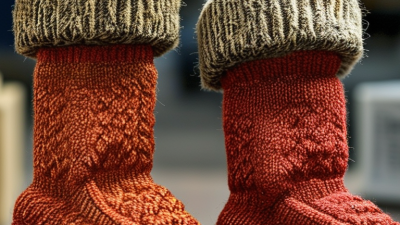
The best cotton socks manufacturer in China is not always the cheapest. Evaluate traceability, testing, capacity, and communication. Textile Exchange’s Materials Market Report 2024 estimates global fiber production reached 124 million tonnes in 2023. Cotton represented about one-fifth of this volume. This scale makes fiber verification essential.
Ask for cotton origin records, yarn specifications, and recent laboratory reports. Check shrinkage, colorfastness, pilling, odor, and seam strength. Independent testing should follow recognized methods, such as ISO 105 for colorfastness and ISO 2859-1 for sampling. Factory audits should examine worker safety, chemical storage, wastewater control, and wage records. A valid management certificate helps, but it does not replace production evidence. I would also inspect knitting machines, linking lines, and packing areas. A polished showroom proves very little.
Tips: Request pre-production samples and wash them at home. Measure the cuff before and after washing. Confirm monthly capacity with machine counts and recent orders. Review a pilot shipment before scaling. USDA’s Cotton: World Markets and Trade reports China as one of the largest cotton producers and consumers, so local sourcing can support stable supply. Still, domestic sourcing does not guarantee consistent quality. Our inspection can miss hidden shrinkage, especially in blended yarns. Leave room for correction.
| Evaluation Dimension | Weight | Practical Benchmark | How to Verify | Score (0–5) |
|---|---|---|---|---|
| Cotton Fiber Composition | 20% | The cotton percentage should match the approved specification and product label. Common constructions include 70–85% cotton blended with polyamide and elastane for durability and recovery. | Request a fiber-content test report from an independent laboratory. ISO 1833 can be used for quantitative chemical fiber analysis. | ____ |
| Cotton Quality and Traceability | 10% | Fiber origin, blend ratio, yarn count, and lot information should be documented and consistent between samples and bulk production. | Review yarn purchase records, lot numbers, supplier declarations, and traceability documents. Compare bulk yarn with the approved sample. | ____ |
| Knitting Capability | 10% | The factory should be able to produce the required sock length, size range, terry or non-terry construction, rib structure, mesh zones, and design details. | Inspect representative production samples, machine specifications, knitting settings, and the factory’s sample-development process. | ____ |
| Dimensional Stability | 10% | The finished sock should remain within the buyer’s approved tolerance after washing. A practical purchasing specification is often no more than 5% length or width change unless the product brief states otherwise. | Conduct pre-wash and post-wash measurements using a defined care method. ISO 5077 is commonly used to assess dimensional changes after domestic washing and drying. | ____ |
| Colorfastness | 10% | Color should withstand the intended washing, perspiration, rubbing, and light exposure requirements without unacceptable fading or staining. | Request test results for washing, perspiration, and rubbing. ISO 105-C06, ISO 105-E04, and ISO 105-X12 are relevant test methods for these properties. | ____ |
| Seam, Cuff, and Elastic Recovery | 8% | Toe seams should be secure and comfortable, cuffs should not unravel, and elastic should recover after repeated stretching without excessive pressure or permanent deformation. | Perform visual inspection, stretch-and-recovery checks, seam opening checks, and repeated-wear testing against an approved control sample. | ____ |
| Chemical and Product Safety | 12% | Materials and finished socks should comply with the destination market’s restricted-substance and product-safety requirements. | Obtain current third-party reports covering restricted substances, azo dyes where applicable, formaldehyde, heavy metals, and other buyer-specified chemicals. OEKO-TEX Standard 100 certification may support chemical-safety verification. | ____ |
| Quality-Control System | 10% | A reliable manufacturer should use documented incoming-material, in-process, finished-goods, measurement, packing, and final-inspection procedures. | Review inspection checklists, defect classifications, calibration records, corrective-action reports, and the latest production inspection results. | ____ |
| Production Capacity and Lead Time | 5% | Capacity should be demonstrated with realistic monthly output, available machines, staffing, material lead times, and a production schedule that matches the order. | Ask for a capacity plan, current utilization, sample-to-production timeline, and documented on-time delivery performance for comparable orders. | ____ |
| Social and Environmental Practices | 5% | The facility should maintain lawful working conditions, worker-safety controls, responsible wastewater and waste practices, and transparent subcontracting policies. | Review recent social or environmental audit reports, corrective-action plans, wastewater records where relevant, and the factory’s subcontractor disclosure. | ____ |
| Total Evaluation Score | 100% | Use the weighted score to compare manufacturers objectively after sample, document, and production-capability verification. | Recommended interpretation: 4.0–5.0 = strong candidate; 3.0–3.9 = requires corrective action; below 3.0 = high procurement risk. | ____ / 5 |
China’s strongest cotton sock production clusters are concentrated in Zhejiang, Jiangsu, and Guangdong. Zhejiang is widely known for dense sock manufacturing networks and flexible order support. Its factories often handle athletic socks, school socks, ribbed styles, and private-label packaging. Jiangsu offers strong textile infrastructure, stable yarn supply, and efficient knitting capacity. This region suits larger orders requiring consistent sizing and repeated production. Guangdong is valuable for export-focused manufacturing and faster accessory sourcing. Some factories also support complex blends, seamless toes, embroidery, and moisture-control finishes.
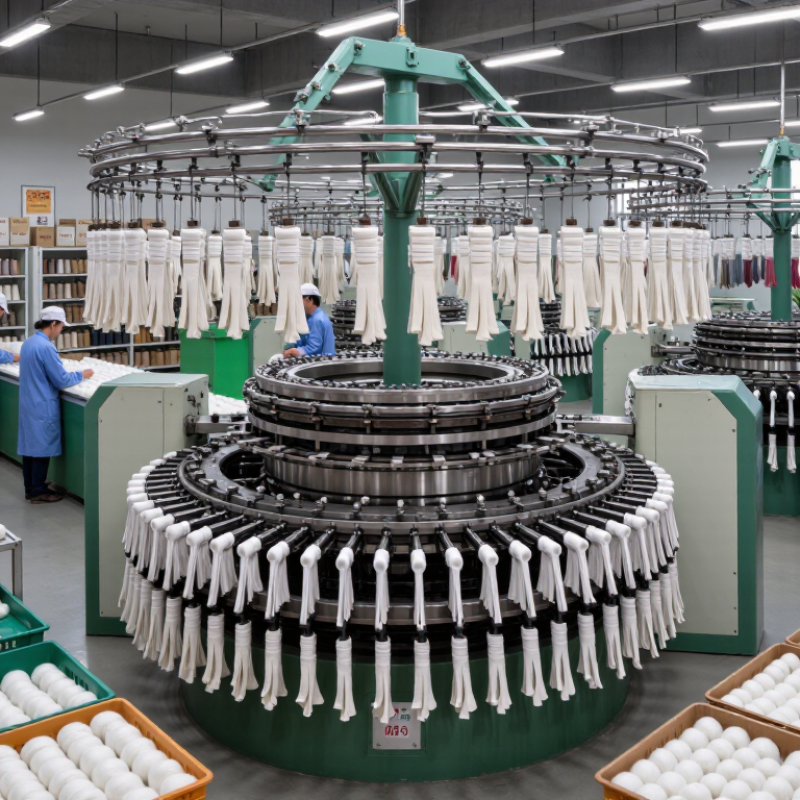
Production capability matters more than location alone. A reliable manufacturer should provide clear yarn specifications, knitting samples, color standards, and measurement reports. Modern facilities may use computerized knitting machines, automatic linking, boarding equipment, and metal detection systems. Quality teams should inspect fabric density, loose threads, shrinkage, colorfastness, and toe comfort. Ask for production records, not only attractive samples. Samples can hide problems.
My practical preference is to compare factories across regions using the same technical brief. Check their minimum order quantity, monthly capacity, testing process, and response speed. Visit the facility when possible. A polished showroom proves little. I would also request a small pilot order before scaling up. This step may feel slow, but it reveals packing errors and uneven sizing. No region wins every order. The best choice depends on material requirements, shipment schedule, quality controls, and the manufacturer’s willingness to document mistakes and correct them.
What Is the Best Cotton Socks Manufacturer in China?
Choosing a cotton socks manufacturer requires more than comparing catalog photos. In production reviews, I check fiber composition, yarn strength, stitch density, and toe-seam comfort. A reliable factory provides physical samples before bulk production. Inspect the cuff recovery after repeated stretching. It should remain firm, not painfully tight. Small defects matter.
Pricing needs a wider view. Compare the unit quote, sample fees, tooling, packaging, shipping, and minimum order quantity. A low price can hide weaker yarn or unstable dye lots. Ask for a written specification sheet. Then compare equal materials and sizes. Request recent quality records, but do not accept unclear screenshots as proof.
Customization shows a manufacturer’s real capability. Confirm color matching, logo knitting, patterns, labels, and packaging options. Clear artwork files reduce mistakes. Certification claims also need verification through issuing organizations and current scope documents. Depending on the market, relevant evidence may include fiber-content testing, restricted-substance reports, and social compliance audits. A factory may hold certificates, yet production controls can still vary between workshops. That is easy to overlook. Keep a pre-shipment inspection plan, approve a sealed reference sample, and record acceptable tolerances. No supplier is perfect, including the one that communicates best. Regular checks remain necessary.
This industry benchmark compares the main purchasing dimensions for cotton sock manufacturing. Quality and certifications carry the highest importance, while pricing is assessed as cost competitiveness, where a higher score indicates better value.
Choosing the right cotton socks manufacturer in China requires more than comparing prices. Start by defining your product clearly: cotton percentage, sock length, knitting style, size range, colors, and packaging. A reliable factory should explain these details without making vague promises. Ask for recent samples, not only computer images. Check the fabric feel, toe seams, elastic recovery, stitching, and washing performance.
Visit the factory when possible, or request a live video inspection. Observe the knitting machines, material storage, inspection tables, and packing area. Ask how workers record defects and how supervisors approve production. Request test reports for fiber content, colorfastness, shrinkage, and durability. Verify that the documents match the actual product. Small batches matter. They reveal problems early.
Communication deserves careful testing. Send the same technical questions to several manufacturers and compare their answers. A professional supplier should provide a clear quotation, production schedule, minimum order quantity, and payment terms. Confirm who pays for sample revisions and how defects will be handled. I once underestimated the importance of elastic recovery; the first sample looked fine but felt loose after washing. That mistake changed my inspection checklist. A factory may be experienced, yet still unsuitable for your market, capacity, or quality expectations. Record every agreement in writing and approve a sealed sample before mass production.